 lunarìa cashmereREAD MOREFounded · Built · Vertically Integrated · Internationally Scaled · Ownership Exit
lunarìa cashmere
READ MOREFounded · Built · Vertically Integrated · Internationally Scaled · Ownership Exit
Companies Built.Managed. Led.Industrial, Operating & Commercial Systems Developed.
Virgili Studio operates across entrepreneurial ownership, executive mandates and strategic development, connecting leadership, creative and product direction, industrial execution and international commercial growth across luxury, consumer, industry, advanced technology and culture.
The works presented represent a selection of the Studio’s broader track record of enterprises, executive engagements and independent initiatives. Each documents the responsibilities assumed, the operating structures built or transformed, and the outcomes delivered.

COMPLETED · OWNERSHIP EXIT 2024 · 2003–2024
Luxury & Consumer · Industrial & Manufacturing · Private Equity & Investors
Entrepreneurial Ownership · M&A / Ownership Transition · Completed 2024 Exit
Co-Founder · Owner · General Manager · Full P&L and corporate accountability
Founded, built and led a vertically integrated cashmere enterprise across proprietary-brand collections, third-party luxury manufacturing, industrial participations and international retail/wholesale distribution; completed the 21-year entrepreneurial ownership cycle through a 2024 exit.
Starting point — Founded as a new entrepreneurial venture in 2003, progressively establishing the brand, company structures, manufacturing base, and commercial distribution.
Executive mandate — Direct, continuous ownership and general-management authority over corporate governance, strategy, design, product development, manufacturing, industrial participations, finance, operations, channels, people and ownership transition.
Financial accountability — Full P&L responsibility across budgets, working capital, investment priorities, industrial economics and multi-channel commercial performance.
Creative direction — Established the maison’s brand identity, visual language and high-end cashmere product codes; directed womenswear, menswear, accessories and home product development.
Collection delivery — Designed and developed more than 50 seasonal collections and capsules over the 21-year cycle, connecting merchandising, line planning, material research, product engineering and release calendars.
Product governance — Introduced structured product-lifecycle and collection-planning disciplines, including technical specifications, supplier coordination, fittings, costing and industrial quality sign-off.
Operating production system — Directed direct manufacturing in the Perugia knitwear district, integrated with specialist workshops and qualified subcontractors, for both Lunarìa-branded collections and third-party luxury manufacturing programmes.
Industrial participations — Exercised strategic governance of equity participations in key workshops and manufacturing units across the operating supply chain.
Technical & supply-chain controls — Managed yarn sourcing, BOMs, manufacturing costing, production capacity and scheduling, technical standards, QA/QC and supplier performance.
Wholesale and market development — Built a network of more than 100 international wholesale accounts serving over 15 markets, with distributor and buyer development, commercial terms and collection sell-in.
Retail portfolio — Developed over 25 monobrand stores and concessions; governed location assessment, store openings and closures, relocations, leases, concessions, store economics, reorders and luxury clienteling.
Leaseholds and commercial rights — Handled lease negotiations and assignments, key money / premium transactions, acquisition and disposal of commercial leasehold rights and associated retail-property exits as part of opening, relocating and closing stores.
Operating performance — Final improvement programme delivered +9 percentage points gross margin, −24% SKU complexity and −35% decision-cycle duration.
Completed entrepreneurial lifecycle — Full-cycle enterprise development, international scaling and completed change of ownership / exit in 2024.
Attribution — The indicators describe results of the Lunarìa enterprise under the direct ownership and general-management responsibility stated above; turnover values are not disclosed publicly.
COMPLETED · EXECUTIVE MANDATE 2022–2025
Luxury & Consumer · Industrial & Manufacturing · Private Equity & Investors
Shareholder-Financed Company Development · Delegated Executive Mandate
Designer · Chief Product Officer · International Commercial Developer
Delegated Executive Mandate · Virgili Studio
Executive Authority, Reporting & Board Governance
Held full delegated executive authority within the company's top management, overseeing product architecture, design, sourcing, industrialisation and global commercial development.
Reported directly to the CEO (Co-Founder and Board Member), working daily with shareholder-directors.
Responsible for executive-level reporting on operational priorities, industrial execution and KPIs to support Board-level decision-making.
Designed and delivered the luxury menswear product identity, complete wardrobe architecture and collection system; built and qualified the specialist Made in Italy sourcing and manufacturing network, while directing product economics and developing international commercial opportunities.
Starting condition — An equity-financed luxury menswear venture requiring a distinct product language, industrially viable full-wardrobe architecture and qualified Made in Italy production base.
Delegated authority — Designer, Chief Product Officer and International Commercial Developer: responsibility for stylistic product codes, collection architecture, technical development, sourcing and industrial qualification, product budgets and international business development.
Executive authority — Led product and creative direction, specialist sourcing and industrial development, product budgets and cross-functional international commercial development as part of the company’s top-management decision process.
Luxury product identity — Authored silhouette, proportions, fittings, materials and distinctive product codes for a full menswear wardrobe: tailoring, eveningwear, outerwear, knitwear, footwear, leather goods and accessories.
Product design — Led CAD/flats, atelier fittings and iterative product development across six seasonal and capsule cycles, covering 500+ product references.
Category and technical depth — Managed advanced knitwear development from 3GG to 22GG, WholeGarment, jacquard, intarsia and double-face, alongside technical outerwear and performance finishes.
End-to-end product lifecycle — Directed design briefs, product specifications, BOMs, sampling, prototype correction, fit approval, industrial costing and TOP sign-off.
Eight-district supply network — Scouted, tested and qualified specialist manufacturers in eight Made in Italy production districts, with capacity, construction, compliance, quality and economic benchmarks.
Materials and production rhythms — Structured links to mills and specialist suppliers of fabrics, yarns, leather and components; coordinated seasonal bulk, capsules, bespoke/MTM and time-critical celebrity/red-carpet production.
Channels and partnerships — Developed selective wholesale, showroom, distributor and retail relationships across international markets; worked on commercial negotiations, territory rules, pricing and allocations.
Retail franchise development — Led strategic planning and commercial negotiations for an ORATIO mono-brand store within a major Moscow department store, with opening and operation envisaged under the department store’s management through a three-year retail/franchise agreement. Oversaw strategic location assessment and assortment architecture, aligning brand positioning with the characteristics of the target market.
Cross-functional leadership & end-to-end value chain management | Menswear — Provided strategic and operational leadership to cross-functional teams across an extensive network of external manufacturing partners, directing the entire value chain for a broad menswear portfolio: tailoring, trousers, shirting, knitwear, footwear and accessories, including ties and pocket squares. Directed and integrated materials research and sourcing, design, technical development and production expertise across companies and product categories. Governed the complete cycle, from initial development and sampling through to seasonal collection production, building inter-company synergies and aligning product vision, quality standards, costs, time to market and business objectives.
Delivered evidence — Six collection/capsule cycles, 500+ product references and an eight-district specialist Italian manufacturing network; international retail development agreement advanced.
Shareholder financing — The €12M+ figure describes capital committed by shareholders to developing the ORATIO company; Virgili Studio’s responsibility concerned its delegated product, industrial and commercial mandate.
Commercial execution — Six collection and capsule cycles, 500+ product references, the specialist industrial network and the negotiated international retail/franchise agreement constitute the documented deliverables.
SELECTED EXECUTIVE WORKS

ACTIVE · FRACTIONAL CEO / OPERATING PARTNER · 2025–ongoing
Luxury & Consumer · Lifestyle & Experiences
Material-Led Maison Transformation · Beauty & Wellness · Hospitality
Operating Partner · Fractional CEO
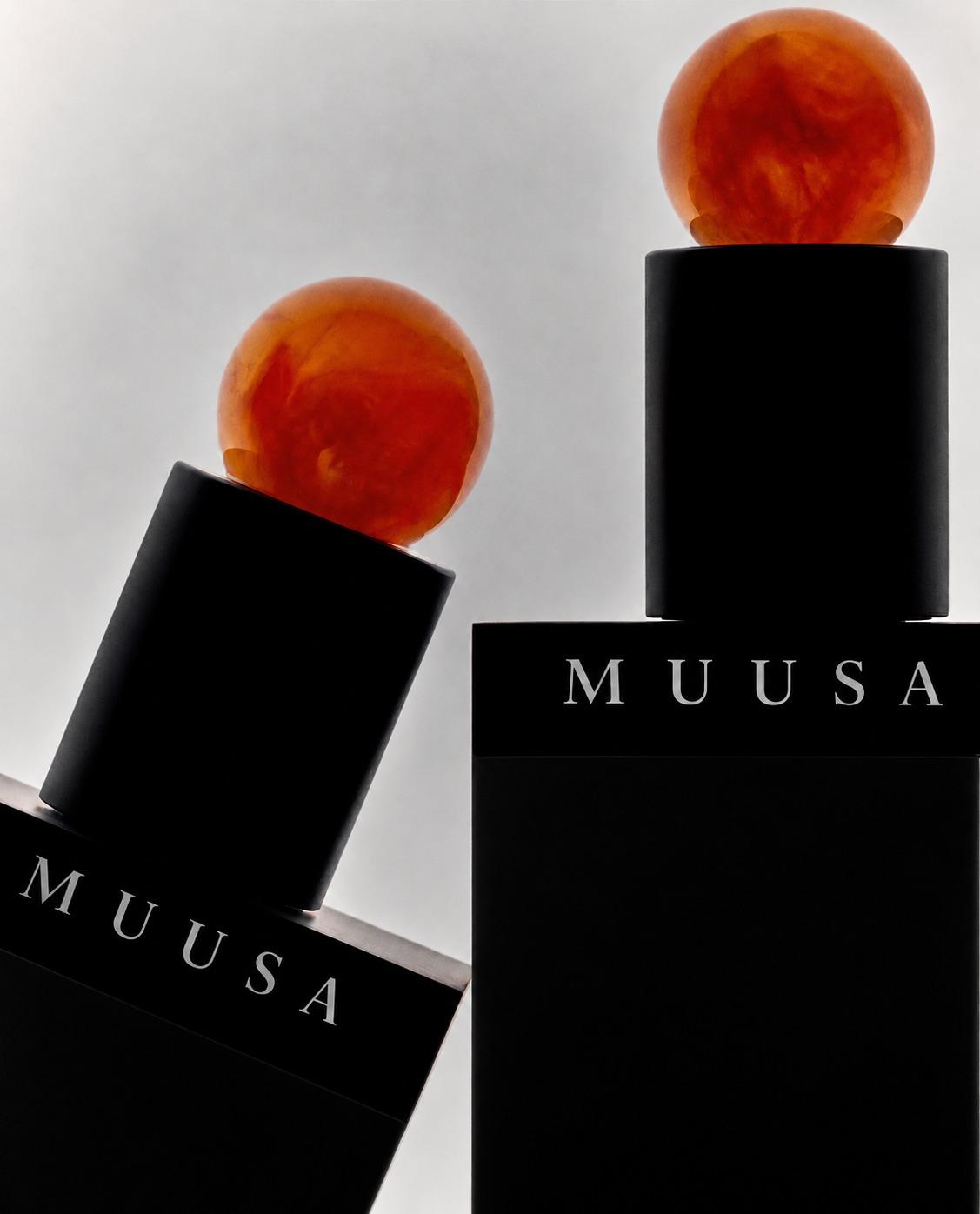
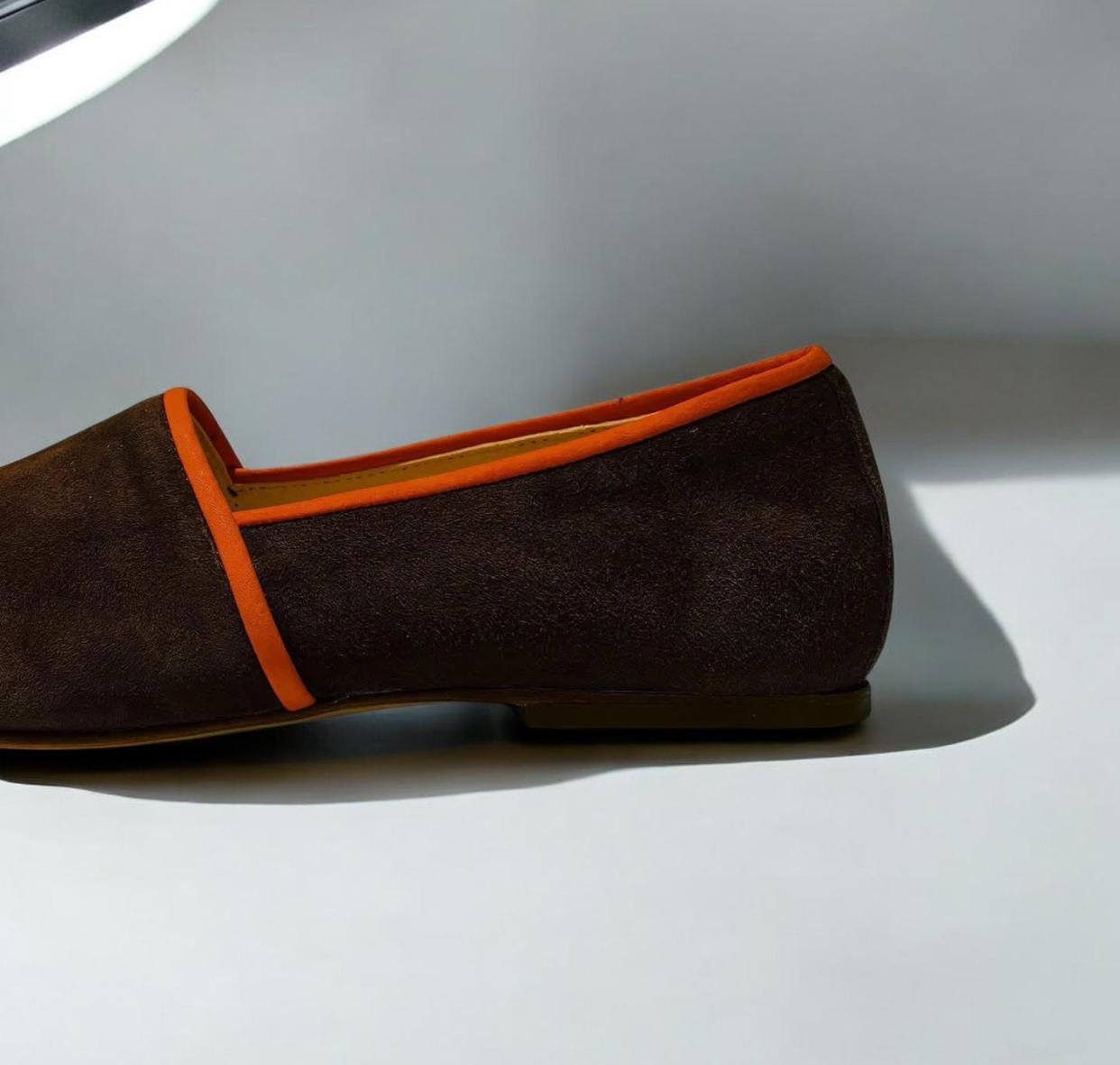
Rebuilt a knitwear brand into a Baltic-amber-led lifestyle Maison, transforming brand identity, category architecture, financial logic, industrial priorities and international commercial execution.
Starting condition — An inherited knitwear brand and product assortment requiring a new integrated identity, category structure, operating model and financial architecture.
Executive authority — Fractional CEO / Operating Partner mandate spanning corporate and brand repositioning, business-model design, product and industrial development, P&L, funding priorities, communications and commercial development.
Strategic destination — Built an integrated lifestyle proposition anchored in Baltic amber as a material, cultural and product platform rather than extending the legacy knitwear range mechanically.
Unifying identity — Reinterpreted the existing brand language and identity through Baltic amber, connecting products, rituals and experiential applications within one coherent Maison positioning.
Four portfolio domains — Structured Textile & Apparel; Beauty & Skincare; Wellness & Ritual; and Living, Objects & Hospitality.
Seven development workstreams — Defined Skincare, Wellness & Ritual, Accessories, Interior Textiles, Collectible Objects, Hospitality Amenities and Experiences as staged extensions.
Product concentration — Rationalised approximately 80 inherited styles into 12 core styles with clearer category roles, technical feasibility and investment discipline.
Cross-category development — Established differentiated product-development and supplier requirements for knitwear, skincare, objects, amenities and hospitality products, with costing, quality checkpoints and staged capacity planning.
Economic coherence — Linked category feasibility and proposed assortment depth to margin expectations, development gates and sequential capital allocation.
Business economics — Structured the integrated P&L, revenue and contribution assumptions, pricing architecture, programme budgets and investment sequencing.
Channel architecture — Developed distinct selective-retail, B2B, digital, spa, hotel and retreat propositions; hospitality model prioritises amenities and service partnerships rather than asset-heavy real-estate commitments.
International go-to-market — Commercial development is under way, with China and the wider APAC region among the priority markets.
Structures already developed — Amber-led repositioning, four-domain portfolio architecture, seven category/service workstreams, assortment rationalisation from approximately 80 to 12 core styles, financial and execution-control models.
Stage of work — Transformation and commercial rollout are active, including skincare sales and hospitality entry through products, spa and ritual protocols.
Execution evidence — Integrated P&L models, pricing architecture, investment sequencing and operational controls support the transformation mandate.
ACTIVE · EXECUTIVE MANDATE · 2019–ongoing
Luxury & Consumer · Industrial & Manufacturing · Lifestyle & Experiences
Sustainable Footwear & Accessories · Social Enterprise · Italy–Morocco
Executive Mandate · Managing Director · Full operating and P&L responsibility
Project activity: Brand Creation & Development.
Founded and developed an entirely sustainability-led international footwear and lifestyle enterprise, combining Italy–Morocco manufacturing, industrialisation of specialist raffia craft and a structurally embedded social-enterprise model through noMade for Women. Directed product, industrial and commercial operations, connecting approximately 60 women artisans to qualified premium production, international distribution and luxury hospitality relationships.
Starting condition — Creation of a new sustainable footwear and accessories venture with no inherited, fully operating manufacturing and distribution system.
Executive responsibility — Direct managing-director mandate spanning company and brand building, original design, product architecture, industrial development, supplier contracts, cash flow/P&L, channel strategy, digital communication and partnerships.
Enterprise model — Sustainability as a founding principle: integrated responsible product design, specialist craft production, the noMade for Women social-enterprise programme and international premium distribution into a single operating model.
Product development — Built product identity and footwear/accessories collections, from prototypes, fit and technical packages through costing, manufacturing approval and assortment positioning.
From craft to industrial standards — Trained specialist craft capability in the southern Moroccan raffia community around dimensional consistency, weaving/nodes, fit, comfort, quality tolerance and reliable production calendars.
Production assurance — Implemented industrial product specifications and QA/QC procedures; historic bulk on-spec delivery performance reached 98%, supported by core-material traceability documentation.
Cross-border operating system — Designed and coordinated Italian and Moroccan production responsibilities, supplier qualification, raw materials, quality governance, costing, production planning and cross-border logistics.
noMade for Women — Built a structurally embedded social-enterprise production programme with approximately 60 women artisans in southern Morocco, linking specialist craft training, professional development, quality standards and sustained artisan income directly to the company’s manufacturing and commercial system.
Capacity governance — Balanced retail growth with realistic artisanal manufacturing productivity and quality constraints rather than treating production capacity as unlimited.
International showroom network — Three showrooms: two in Milan and one in New York.
Wholesale and direct channels — Connected showroom representation to selective wholesale, digital B2B and proprietary B2C/e-commerce, with four shop-in-shop positions at La Rinascente.
International partnerships — Developed private-label work including Oscar Jacobson, co-branding with Fefè Napoli / Pitti Uomo, and selective luxury-hospitality relationships including the Rocco Forte Group.
Operating outcomes — Created and led a sustainability-led international enterprise whose business model integrates the noMade for Women social-enterprise programme, an Italy–Morocco supply network, qualified artisanal production, industrial quality controls, international showrooms and selective premium retail and hospitality channels.
Quantitative evidence — Approximately 60 artisans in the noMade for Women programme, historic 98% on-spec deliveries, three showrooms (two Milan; one New York) and four La Rinascente shop-in-shop positions.
Accountability — Direct integrated control of product, production economics, capital requirements, contracts and commercial performance within the managing-director mandate.
ACTIVE · EXECUTIVE MANDATE · 2024–ongoing
Luxury & Consumer · Industrial & Manufacturing
Knitwear · Direct Showrooms · Multibrand Agencies
Managing Director · Brand, Product, Industrial and International Commercial Leadership
Developed a manufacturing-led Umbrian cashmere proposition into a structured brand, product, industrial economics and international showroom system, combining direct representation with contracted multibrand agencies.
Starting condition — A specialist Umbrian manufacturing capability positioned for development into a premium cashmere brand with internationally organised distribution.
Mandate — Executive general management integrating creative and product direction, specialist knitwear, supply-chain economics, operations, P&L coordination, communications and commercial distribution.
Business objective — Connect the value of local manufacturing and materials expertise to a credible product proposition and governed international wholesale system.
Brand and collection — Developed contemporary premium cashmere positioning, merchandise architecture and creative identity grounded in Made in Umbria craftsmanship.
Technical development — Led structural development of knit jackets, bombers and coats, including knit density, controlled fulling, dimensional stability, shaping, linking and technical finishing.
Industrialisation — Aligned prototypes, product specifications, BOM/costing and technical sign-offs with quality standards and market price positioning.
Operating production system — Coordinated a specialist in-house knitwear laboratory of approximately 14 professionals, with qualified Italian external production partners.
Capacity as an economic constraint — Governed complexity and manufacturing allocation to protect skilled capacity, contribution margins and consistent premium quality.
Industrial controls — Structured costs, supplier terms, lead times and production/quality checkpoints within the short Made in Italy supply-chain model.
Two direct showrooms — Milan and Moscow — directly operated showroom and market-representation structures.
Two multibrand / agency showrooms — Paris and Düsseldorf — multibrand showrooms operating under commercial agency contracts.
International development — Built commercial relationships with independent buyers, agency partners and specialist hospitality channels, including the Rocco Forte network.
Commercial infrastructure established — Four showroom/representation points in total: two direct (Milan and Moscow) and two multibrand agency-based (Paris and Düsseldorf).
Industrial capability — Specialist Italian knitwear manufacturing system, approximately 14 laboratory professionals and integrated product/industrial pricing controls.
Operating evidence — Four showroom and representation channels established: direct showrooms in Milan and Moscow and multibrand agency showrooms in Paris and Düsseldorf.
CULTURAL INFRASTRUCTURE

ACTIVE · IN-HOUSE INITIATIVE · 2025–ongoing
Cultural Institutions
Digital Infrastructure · Heritage Research · Cultural Governance
Creator · Research Architect · In-house Cultural Initiative
Conceived and structured an independent European cultural research infrastructure for understanding, analysing and transmitting living craft knowledge through explicit methodology, data provenance and non-extractive governance.
Starting condition — Living craft knowledge is poorly represented by static catalogues and decontextualised technical instructions; documentation needs to preserve situated decisions, temporal variation, materials and bearer authority.
Creator-led responsibility — Concept development, research architecture, methodological design, digital knowledge structures, cultural governance and exploration of European institutional cooperation.
Purpose — Provide a cultural and research infrastructure, not a commercial extraction, manufacturing automation or training-data collection programme.
Four-dimensional method — Defined Process, Decision, Time and Matter as four interdependent analytical dimensions for the observation and interpretation of living practices.
Seven observation dimensions — Structured seven heritage-observation dimensions to connect skills, materials, practice contexts, knowledge-bearing communities and variation in comparable records.
Situated knowledge — Designed an interpretive framework that preserves gesture, constraints, circumstances, judgement and differences between practitioners rather than translating craft into a universal recipe.
Three modes of use — Understand — navigate context and complexity; Analyse — compare choices, variants and relations over time; Transmit — support accountable transfer in research and cultural settings.
Knowledge infrastructure — Structured metadata, provenance relationships, comparative records and interoperable documentation concepts aligned with European cultural/scientific practice.
Documentation principle — Heritage records are designed to explain what is being observed, where it comes from and what remains contextual or uncertain.
Non-extraction governance — Established an explicit prohibition on extractive technical tutorials and use of heritage documentation as AI-training material for substitutive automation. This is a governance commitment, not a numerical impact achievement.
Stewardship — Defined attribution, community agency, open non-commercial access principles and protection of knowledge bearers and relevant intangible rights.
European cooperation — Mapped institutional, research and heritage-community partnerships, with relationships at different stages of development and formalisation.
Established architecture — Four methodological dimensions, seven observation dimensions and three distinct user modes; provenance, documentation and governance frameworks defined.
Programme targets — ≥90% of target assets with structured metadata; ≥70% of cases with documented variability; participation of ≥6 heritage communities. These are safeguarding objectives for later programme delivery.
Economic posture — Non-commercial infrastructure with independent programme and rights stewardship; no unsupported funding, commercial revenue or adoption claim.
BEAUTY & COLLECTIBLE DESIGN
ACTIVE · PRE-LAUNCH INDUSTRIAL & COMMERCIAL PREPARATION · 2026–ongoing
Luxury & Consumer · Lifestyle & Experiences
Beauty & Wellness · Skincare · LED-Assisted Treatments
Executive Product Mandate · Executive Product & Industrial Programme Direction
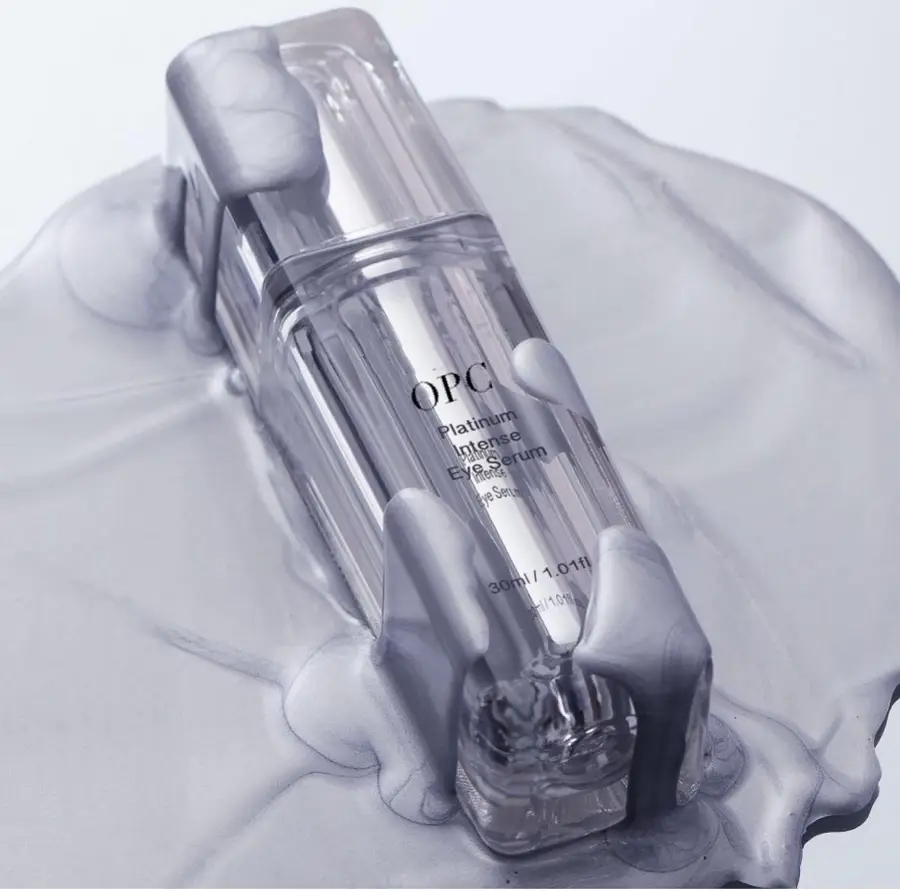
Developed and technically tested 25 ultra-premium skincare references; finalised a 20-product core catalogue; organised formulation and manufacturing partners, product economics and LED-assisted treatment protocols for commercial launch.
Mandate — Portfolio & formula development · Laboratory qualification · Industrial-partner governance · Costing, pricing & margin architecture · Integrated treatment systems · Pre-launch readiness.
Authority — Executive responsibility for coordinated product decisions, industrial specifications, laboratory interfaces, partner qualification and economic coherence; programme in active pre-launch execution.
Starting condition — A high-luxury skincare programme requiring a technically qualified product portfolio, coherent catalogue, disciplined category economics and controlled production before market introduction.
Strategic objective — Convert technical and creative development into a commercially coherent, manufacturable skincare and treatment proposition.
Formulation & testing — Directed formulation and sample iterations with specialist cosmetic laboratories; coordinated technical testing, product qualification and assessment of formula stability and performance.
Catalogue architecture — Developed and tested 25 product references and finalised 20 products in the core sales catalogue, organising category roles and reducing assortment duplication.
Manufacturing governance — Qualified external production partners; defined sample-to-bulk requirements, lead times and QA/QC standards for repeatability and pre-launch production planning.
Costing & pricing — Established product cost models (COGS), packaging economics and the wholesale/retail price and margin structure for the defined assortment.
Integrated treatment system — Developed proprietary usage and treatment protocols connecting serums and creams with LED-assisted technology.
Channel readiness — Structured the intended selective distribution framework, including professional spa, luxury hospitality and qualified retail/B2B channels; channel planning is not recorded as realised sales.
Delivered — 25 developed and tested references · 20 core-catalogue products · pricing and margin architecture structured across the programme · LED-assisted treatment integration.
Programme maturity — The 25 developed and tested references, 20-product core catalogue and associated industrial framework are established pre-launch deliverables; commercial release and bulk production remain subsequent stages.
ACTIVE · STRATEGIC ADVISORY & MARKET DEVELOPMENT · 2026–ongoing
Luxury & Consumer
Collectible Design & Interiors · Cultural Material Narrative
Strategic Advisory · Brand & Editorial Direction · Selective Commercial Development
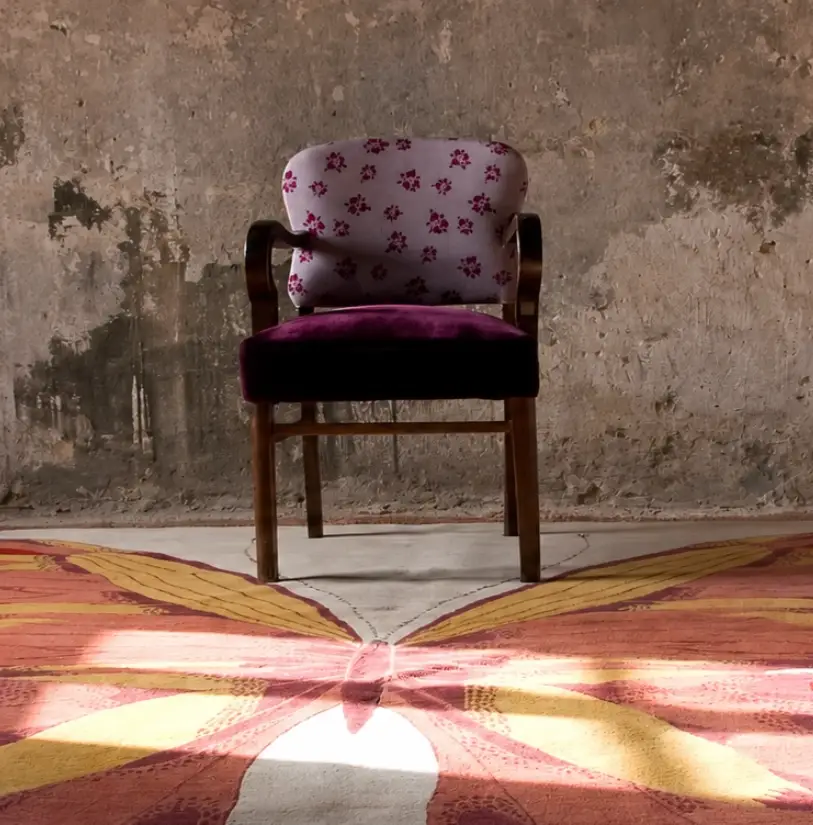
Defined a differentiated collectible-design position around historical materials and Florentine workmanship; built integrated editorial and digital communication and initiated a selective gallery-and-collector go-to-market programme.
Mandate — Strategic positioning · Cultural & material narrative · Website and digital direction · Editorial/social communication · Gallery and collector access · Selective commercial negotiations.
Attribution — Historical Shanghai chair structures, Qipao textiles and Florentine artisan execution belong to the pre-existing design collection; the mandate concerns its contemporary positioning, communication and market development.
Starting condition — A distinctive collectible-design collection with rich historical provenance but a need for unified external positioning and qualified market access.
Objective — Translate existing cultural and material assets into a coherent collectible-design proposition for galleries, collectors and international partners.
Positioning — Defined a market-facing identity connecting original 1930s Shanghai chair structures, rare Qipao fabrics and Florence-based craftsmanship without conflating heritage with Studio-created assets.
Communication system — Directed editorial, website and digital presentation; established an integrated narrative across brand communications and qualified project material.
Market access — Structured gallery and collector targeting, partner selection, relationship development and selective negotiation strategy.
Stage of work — Commercial development initiated during the 2026 mandate; the strategy and outreach are distinguished from completed placements and sales.
Delivered — Collectible-design positioning · coherent cultural/material narrative · integrated editorial and digital framework · selective gallery/collector go-to-market architecture.
Mandate evidence — Strategic positioning, editorial and digital communication, and selective gallery/collector market development commenced under the 2026 mandate.
R&D · DEEP TECH & ADVANCED MATERIALS
Structured investor case · Selective capital and industrial participation
ACTIVE · DEEP-TECH & MATERIALS PLATFORM · 2025–ongoing
Deep Tech & Advanced Materials · Industrial & Manufacturing
Applied R&D · IP Governance · Licensing
Co-Founder · CEO · System Architect
Architected an IP-led advanced-materials platform connecting an existing protected technology lineage, industrial integration standards, external manufacturing capacity and verified paid downstream material transactions.
Mandate — Technology & material architecture · Applied R&D · Protected-asset governance · Manufacturing integration · Technical standards · B2B development · Licensing and contracting.
Authority — Co-founder, CEO and System Architect responsible for translating scientific and industrial heritage into a governed, commercially deployable material technology platform.
Starting condition — Amber-derived technical research, protected assets and historical industrial production requiring unified IP, material qualification, application rules and commercial access governance.
Platform objective — Connect material identity, proprietary knowledge, approved manufacturing processes and contractual rights within one scalable, asset-light industrial system.
Protected-asset portfolio — Structured 11 documented intellectual-property and protected-asset references, with their individual legal status and ownership kept distinct.
Technical integration — Established the specification logic for traceable micronised amber inputs and integration into masterbatch, extrusion, spinning and dispersion processes, including the AMBRA TEX 7.9 technology framework.
Industrial controls — Designed material-input approval, partner qualification, process authorisation, batch testing and approved downstream application boundaries; qualifications and historical evidence remain distinctly attributed.
Manufacturing model — Structured external specialist production capacity without requiring ownership of bulk manufacturing plants; evaluated PA6/PA66 and downstream application pathways, with proprietary know-how and anti-reverse-engineering controls.
Transactional evidence — Two material categories with paid transactions: composite yarns and micronised amber powders for cosmetic applications.
Revenue architecture — Structured six commercial routes: material supply, technology-use licences, industrial integration royalties, ingredient-brand contracts, technology transfer and operating joint ventures.
Commercial architecture — Structured six B2B monetisation routes and partner-specific licensing, confidentiality and qualification requirements; revenue-producing transactions are separately evidenced in two material categories.
Documented quantitative evidence — 11 documented IP and protected-asset references · 1,000+ kg of demonstrated historical industrial production · two material categories with paid transactions · six commercial and licensing routes structured.
Industrial and commercial evidence — 1,000+ kg of demonstrated historical industrial production; paid transactions in composite yarns and micronised amber powders for cosmetic applications; six commercial and licensing routes structured.
NEW VENTURES & STRATEGIC PROGRAMMES
Mandates and ventures in active development, presented through the architecture and milestones already delivered.ACTIVE · STRUCTURED PRE-LAUNCH VENTURE · 2026–ongoing
Lifestyle & Experiences
Hospitality · Experiential Design · Asset-Light Operations
Venture & Business Development · Strategic Concept · Operating-Model Architecture
Converted an initial experiential-hospitality proposition into four defined experience-format families, a complete operating and service architecture, an asset-light partnership model and an executable staged development roadmap.
Scope — Venture proposition · Experience identity · Hospitality format development · Service & operating model · Partner architecture · Financial assumptions · Roadmap.
Stage — A structured hospitality venture with defined experience formats, operating architecture and an asset-light development model, prepared for market activation.
Starting condition — An initial hospitality opportunity requiring commercially legible experience formats and a replicable service and management model.
Objective — Establish the creative, operational, economic and partnership conditions for a controlled market introduction.
Format development — Conceived and structured four coordinated families of experience formats with defined market positioning, customer propositions and design principles.
Service systems — Specified hospitality service flows, guest-experience standards, operational requirements and decision responsibilities as a repeatable operating framework.
Execution pathway — Completed the operating-model framework and delivered one integrated staged roadmap for field activation and subsequent scale.
Asset-light architecture — Defined a model based on collaborations with property owners and hospitality operators; no properties are held directly within the current venture model.
Commercial architecture — Developed prospective partner engagement, management, licensing and joint-venture scenarios, together with operating-cost and margin assumptions for the four experience families.
Delivered programme indicators — Four experience-format families · operating-model framework structurally completed (100% of the planned framework) · one integrated development roadmap · asset-light model with zero directly owned operating properties.
Programme stage — The four formats, operating model and development roadmap have been delivered; commercial activation is the next execution stage.
COMPLETED SUBMISSION COMPONENT · 2025–2026
Industrial & Manufacturing · Deep Tech & Advanced Materials
European Research · Circular Materials · Horizon Europe Proposal Submitted
Strategic Programme Development · Industrial Strategy · Consortium & Programme Architecture
Designed and formally submitted a €7.5M Horizon Europe circular-materials proposal, integrating 10 consortium partners across five European countries within a completed work-package, governance and programme-budget architecture.
Mandate — Circular-materials industrial strategy · European research programme design · Consortium formation · Partner governance · Work-package and financial architecture · Formal Horizon Europe submission.
Responsibility — Coordinated the transnational programme architecture and submission process; the proposal budget is not awarded funding.
Starting condition — A circular and advanced-materials industrial opportunity requiring scientific-industrial framing, a multinational consortium and an eligible European programme submission.
Objective — Translate research and manufacturing potential into a cohesive, governable European industrial research programme and funding proposal.
Consortium — Built and coordinated the submission architecture for ten international institutional and industrial participants across five European countries, allocating relevant scientific and manufacturing responsibilities.
Work packages — Prepared the full work-package architecture for submission: deliverables, milestones, partner duties, resources, timing and programme-level decision rights.
Governance & IP — Structured consortium communication, preliminary Background IP / Foreground IP principles, technical barriers, risk controls and manufacturing feasibility actions.
Formal submission — Led technical and administrative completion and formal submission of the Horizon Europe proposal for evaluation.
Budget architecture — Modelled the submitted €7.5M programme budget and partner allocations against the planned work packages, reporting and eligibility conditions.
Delivered — €7.5M proposal submitted · 10 consortium participants · five European countries · 100% of work-package submission architecture delivered.
Funding boundary — The €7.5M is a proposed and submitted programme budget; no award, grant disbursement or resulting revenue is asserted.
ACTIVE · SAMPLED PRODUCT DEVELOPMENT / INDUSTRIAL QUALIFICATION · 2026–ongoing
Deep Tech & Advanced Materials · Industrial & Manufacturing
Architecture & Interiors · Sampled Surfaces · Industrial Qualification
Material & Product-System Development · Applied-Materials Translation · Product-Family Architecture
Translated advanced amber-material research into three defined architectural surface families, produced physical development samples, mapped four application contexts and structured the technical qualification and market-introduction pathway.
Mandate — Amber-material research translation · Product-family architecture · Surface and paper applications · Physical sampling · Technical requirements · Industrial qualification and market introduction.
Development stage — Product systems have been defined and physical samples produced. Work is beyond a paper concept; further industrial qualification and market rollout remain separate stages.
Starting point — Applied advanced-material research requiring translation into tangible product families for architectural and interior-design applications.
Objective — Move from material capabilities to sampled product propositions, controlled specifications, industrial partner pathways and a credible market-launch programme.
Product families — Structured three surface-system families — Rigid, Fibrous and Flexible — across panels, papers and related architectural materials.
Physical evidence — Produced development samples to materialise and assess the proposed product families; samples are distinguished from certified bulk-scale production.
Engineering framework — Established initial requirements for density, thermal tolerance, flexibility, composite stability and application-specific performance, with a technical specification framework and full qualification roadmap.
Application mapping — Defined four architectural application contexts and evaluated transformation routes including extrusion, pressing and calendering for future manufacturing qualification.
Partner model — Structured an asset-light plan with qualified specialist manufacturers for trials, future repeatable production, raw-material QA/QC and subsequent bulk capability.
Go-to-market architecture — Mapped architecture and interiors counterparties — design studios, general contractors and surface manufacturers — with prospective supply and technology-licensing pathways.
Economics — Established preliminary input-cost, target-cost and technical-risk assumptions for the transition from samples to marketable surfaces.
Achieved programme milestones — Three material families structured with physical samples produced · four application contexts mapped · 100% of the specification/qualification roadmap delivered · zero commercial inventory held at this product-development stage.
Product maturity — Physical samples and the three-family material architecture have been delivered; industrial qualification, certification, repeatable bulk production and commercial launch form the next execution stages.
Virgili Studio’s Fields of Practice

Fashion, lifestyle, retail and experience-led brands
EXPLORE LUXURY & CONSUMER
Capital-backed environments requiring structural discipline
EXPLORE PRIVATE EQUITY & INVESTORS
Product-driven businesses and operating platforms
EXPLORE INDUSTRIAL & MANUFACTURING
Material infrastructure, technology transfer and industrial application
EXPLORE DEEP TECH & ADVANCED MATERIALS
Lifestyle, hospitality and experience-led businesses
EXPLORE LIFESTYLE & EXPERIENCES
Foundations, universities and public-facing organisations
EXPLORE CULTURAL INSTITUTIONSFrom full-cycle entrepreneurial ownership and corporate transformation to delegated executive mandates, Virgili Studio combines strategic judgement, cross-functional leadership and accountable execution. We build and develop businesses, product and industrial systems, and international commercial operations — from decision to delivery.
For founders, owners, investors and leadership teams.
DISCUSS AN EXECUTIVE MANDATE